Questions I'm working on.
Some of these projects I run independently, others with my colleagues at the Bavarian Foresight Institute. They all start from the same question: how do people and organisations get better at thinking about futures they can't predict? If one of them touches something you're working on, I'd like to hear about it.
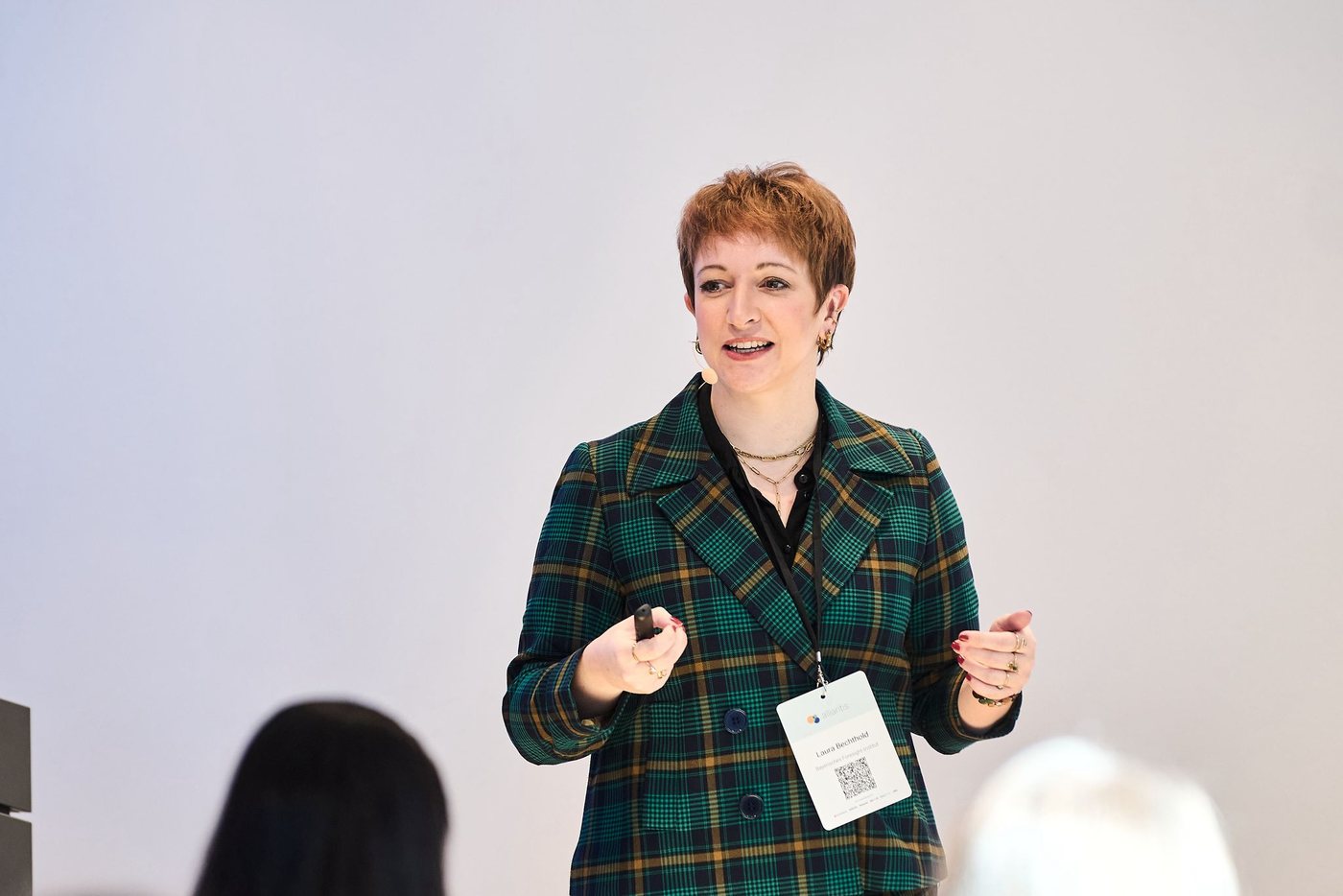
Signal intelligence
What fascinates me most are weak signals: change and disruption show up at the edges of our perception long before they become mainstream.
Founders Foresight Panel
Listening to the people who notice first
People who build technology companies often see change before markets, media or policy-makers do: in a customer conversation, a product decision, a hiring round that suddenly gets harder. The Founders Foresight Panel gathers these observations from a curated international panel of tech founders and interprets them with established methods of futures research. The result is a series of briefings that give founders, investors, companies and policy-makers orientation before signals turn into trends.
Visit the Founders Foresight Panel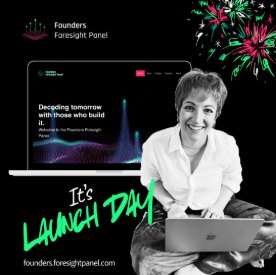
Bavarian Foresight Radar
Turning scientific expertise into foresight for Bavaria
Change is moving too fast for any single discipline to keep track of. Through the Hightech Agenda, Bavaria has created up to 1,000 new professorships in the fields that will shape its future. That expertise is a rare resource, but most of it sits in separate silos. The Bavarian Foresight Radar connects it. It turns fragmented scientific knowledge into a systematic view of the developments that matter most for Bavaria, so that decisions made today rest on better evidence about tomorrow.
About the Hightech Agenda BavariaLearning by playing
Some things you can't learn just by reading about them.
I develop my serious games in research and teaching. They can be played on their own or as part of a workshop or conference.
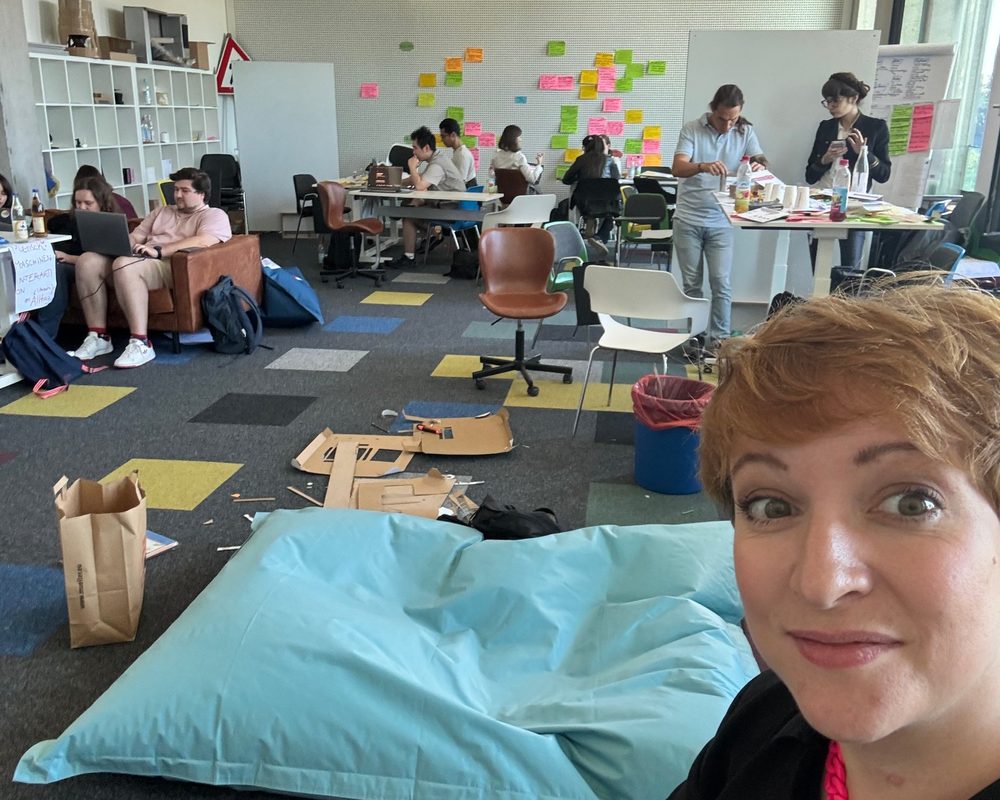
Entropic Encounters
A journey far away, to see the present more clearly
What would a society look like if it had been built around the people ours tends to overlook? In Entropic Encounters, players set off on an interstellar journey and land in worlds shaped by thriving societies that found ways to overcome the challenges we face on Earth today. Through role-play and collaborative world-building, players explore what these societies get right, what they get wrong, and what that says about our own.
Escape the Bias
Find the bias before the clock runs out
Escape the Bias is a cooperative escape room about AI and fairness. Players join Aethelon, a company whose workforce system, WorkForce+, has just recommended dismissing the wrong employees. Working as developers and HR investigators, players combine physical evidence with a shared web app, compare data and solve puzzles across five levels to find out what went wrong. A facilitator-led debrief then shows how algorithmic bias arises and how it can be challenged.
FABREX Change Simulation
Change, from the inside
On paper, change is a sequence of steps. In practice, it's people with different interests, limited information and very little time. In the FABREX simulation, participants step into the roles of change managers, leaders and employees and take an organisation through a complete change process, from diagnosis to implementation with OKRs. Over two days, they experience why good plans stall and what keeps them moving. Built for large groups.